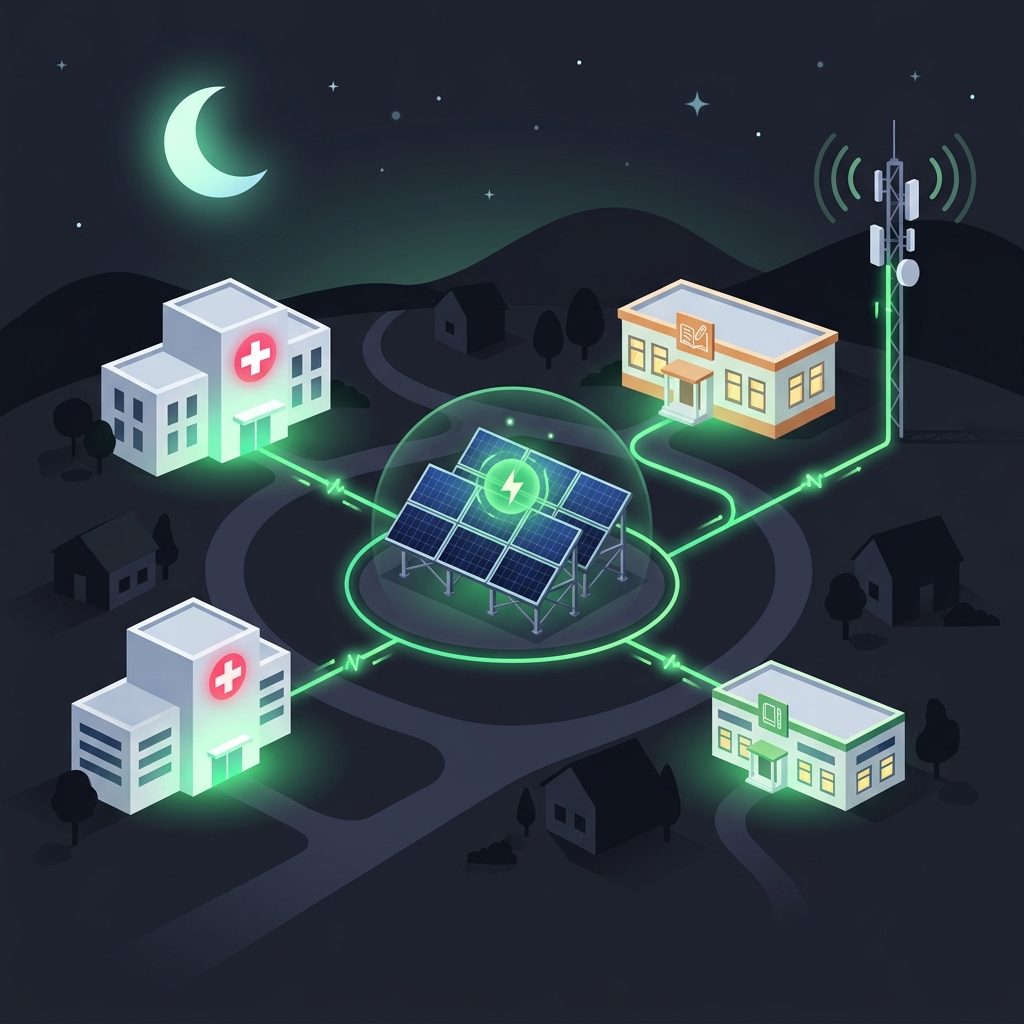
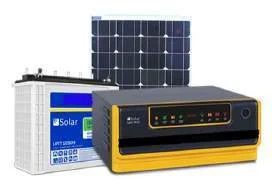
NGO Kosmos Tabir installs affordable solar energy systems in Ukrainian frontline settlements where the grid no longer exists. We’ve powered 400+ homes across the most heavily shelled regions — and we need EU partners to help us reach thousands more.
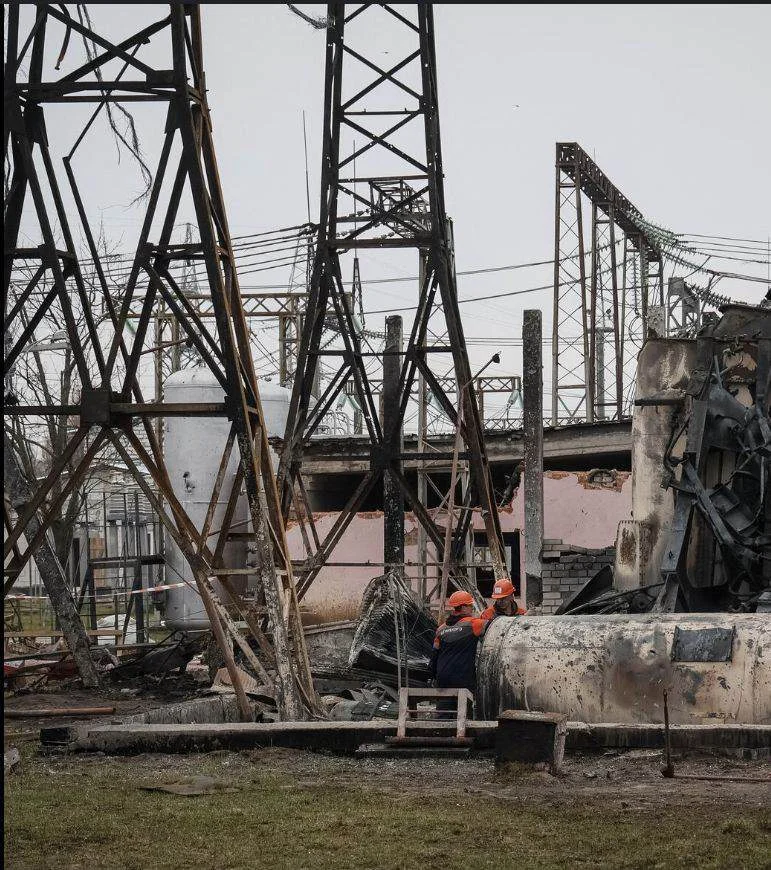
Relentless attacks on civil infrastructure have left vast frontline areas completely dark. Without grid electricity, everyday tasks become immediate threats to survival. Communication channels are severed, leaving families unable to call emergency services, access information, or connect with their loved ones.
This isn't a temporary blackout; it is a systemic humanitarian crisis. Families are entering their third consecutive year without basic electrical power, forcing vulnerable individuals to live in isolation under constant combat conditions.
"In the Kherson region, over 26,000 households have had no electricity for almost three years."Ministry of Energy of Ukraine, July 2024
We engineered a resilient, ultra-low-cost voltage conversion system based on MPPT-like switching technology. Operating without expensive, heavy chemical batteries by default, it steps down unstable solar voltages direct from the sun to run everyday electronics safely.
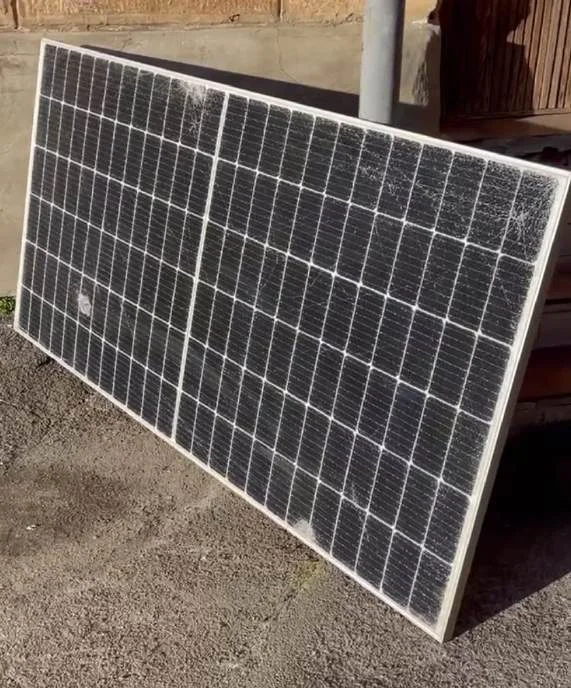
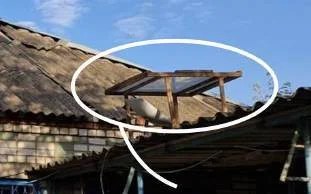
A wide 18V–60V input range allows it to function even with heavily cracked, used, or shrapnel-shot solar panels.
Provides 3×5V 1-2A outputs and 1×9-12V auto-detect output to charge smartphones, routers, power banks, tools, and walkie-talkies.
Equipped with standard water-resistant MC4 connectors, enabling panels to remain safely mounted outside while devices charge inside.
No technical expertise needed—perfectly intuitive for both elderly citizens and young children, tested stable in heavy combat areas.
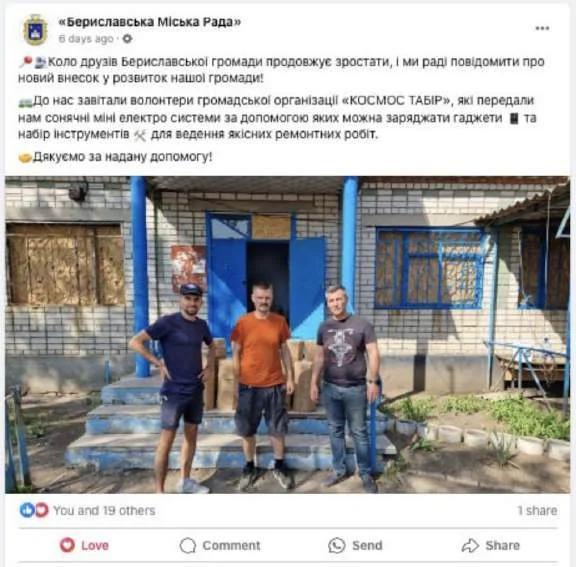
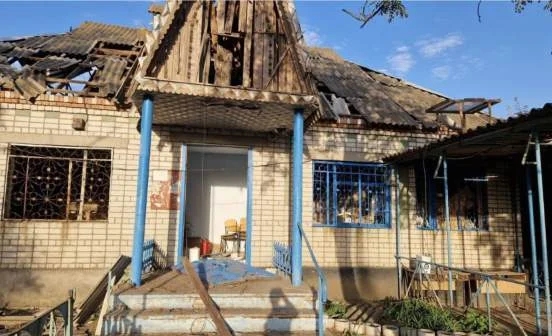
Modern warfare demands rugged, decentralized infrastructure. Our installations in the daily shelled Beryslav area have proven that low-voltage grid-free solar is virtually indestructible compared to central stations. When a panel takes shrapnel, it loses partial surface area but continues generating enough current to sustain a household's basic lifeline.
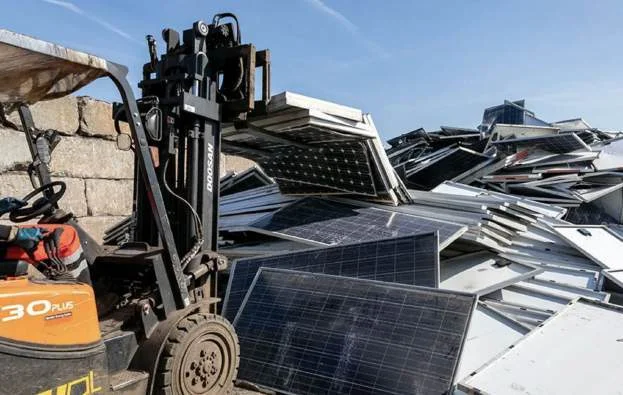
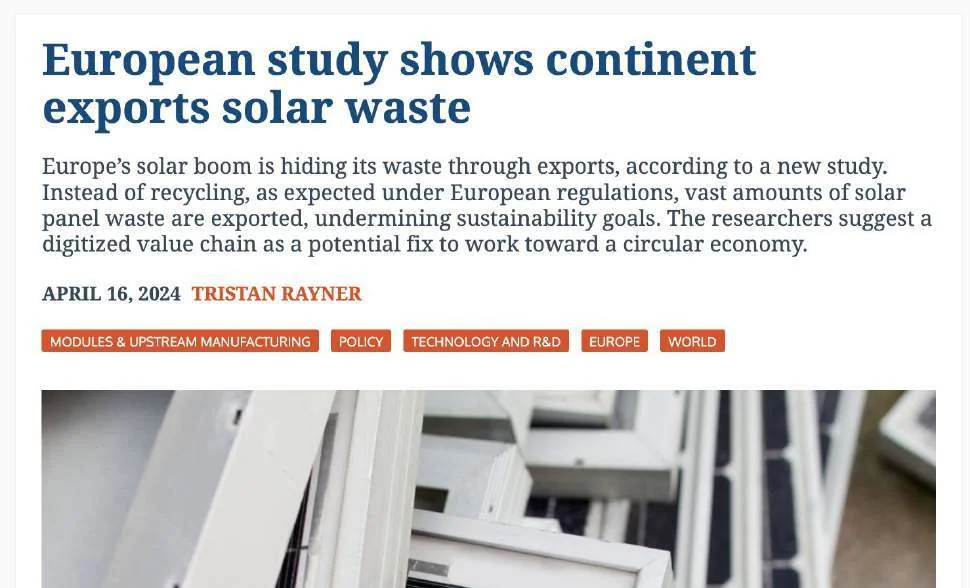
The European Union is facing a monumental solar panel recycling challenge. Millions of decommissioned, slightly worn, or cosmetically damaged panels are discarded yearly because recycling them is cost-prohibitive. They sit in warehouses or are exported outside EU borders as waste.
We offer a clean, circular economy alternative: donating these panels directly to frontline Ukrainian villages. For a household left in the dark, a panel with 80% remaining efficiency isn't waste—it is the difference between contacting a doctor and total isolation.
Redirecting retired solar modules to humanitarian campaigns prevents carbon-heavy recycling processes, cuts warehouse storage fees, and provides immediate emergency energy to families surviving the winter.
Our humanitarian operations and cargo shipping lines are planned and executed in close coordination with Ukrainian regional administrations and government offices.
Every form of support — financial, material, or logistical — directly translates into households with electricity in the most dangerous areas of Europe.
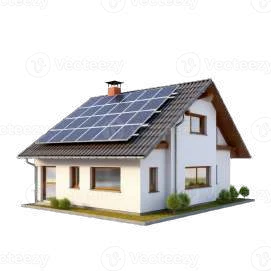
Financial grants or donations to scale assembly, procurement, outreach, and field deployment. Each household solar kit costs just $10–$12 to produce and install.
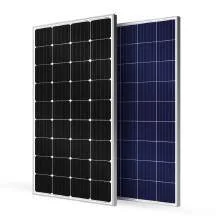
Used or decommissioned panels with 80%+ remaining efficiency. Cracked panels accepted (up to 10-20% of a batch). Min. 200W capacity. We coordinate customs clearance and seek logistics partners to help with transport.
We need large trucks with trailers (Euro 5-6) for EU–Ukraine routes, and vans (1.5–3t, Euro 4+) for regional deliveries. Cosmetic condition doesn't matter — technical reliability does.
Solar mounting structures, MC4 cables, crimping tools, and pure sine wave inverters. New or used — everything reaches the field.
Fund a renewable energy training course for one frontline region: Donetsk, Kharkiv, Dnipropetrovsk, Kherson, Zaporizhzhia, Sumy, or Chernihiv. Local capacity building that outlasts any single installation.
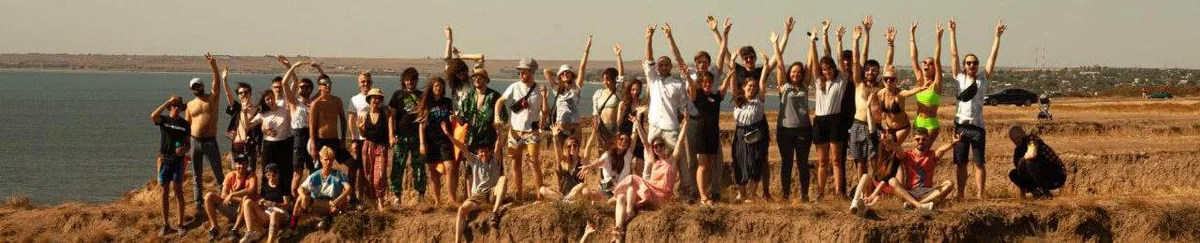
"We started as a creative community. We turned into humanitarian innovators."
In 2020, our group launched cultural and art expeditions to the Kherson region by rail, mapping connections on the historic GogolTrain. When full-scale invasion devastated these exact territories, our local community pivoted. We took our technical design skills and channelled them into developing high-resiliency solar lifelines to support the very communities that once welcomed us.